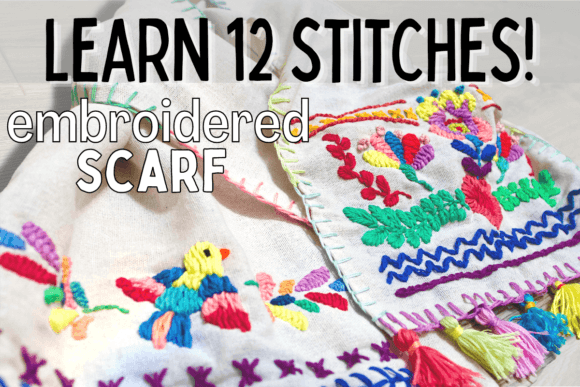
A Practical Review of Learn 12 Embroidery Stitches on a Scarf
As a professional embroidery designer, I constantly evaluate design assets for their potential in branded merchandise and commercial projects. When considering Learn 12 Embroidery Stitches on a Scarf for small business use, my immediate impression is that it carries a distinctly handmade and friendly personality. The title suggests a rich, textured composition built from varied stitches, which translates into a visual aesthetic that feels personal, artisanal, and engaging. This is not a minimalist, corporate logo. It’s a design with character, which can be a powerful tool for businesses wanting to convey craftsmanship, care, and a human touch.
The Business Value of a Handmade Design
For a small café, boutique, creative studio, or any local business, brand identity is about connection. An embroidered patch or logo derived from Learn 12 Embroidery Stitches on a Scarf can elevate standard merchandise. Imagine this design adapted for an apron: the intricate stitchwork immediately signals quality and attention to detail, aligning perfectly with a bakery or florist’s brand. On a tote bag, it transforms a simple carrier into a statement piece that customers want to use and display. For staff uniforms or work shirts, it adds a sophisticated, non-generic accent to a sleeve or chest pocket, fostering team pride and visual consistency.
This embroidery design inherently increases perceived product value. A cap featuring this detailed work feels premium. A simple product label becomes a handmade product label, boosting customer trust and engagement. For Etsy sellers or craft businesses, using such a design on their own merchandise reinforces their core message of artistry. It’s a design asset that can work across custom apparel, event merch, and customer gifts, creating a cohesive branded experience.
Practical Applications in Commercial Embroidery
Let’s translate that visual personality into real-world applications. The promise of 12 combined stitches in Learn 12 Embroidery Stitches on a Scarf suggests complexity and texture. This is excellent for standalone embroidered patches that can be applied to bags, jackets, or as product add-ons. For a pet brand or boutique, a custom patch with this style makes merchandise feel unique. As a chest logo accent, it offers more depth than a flat fill stitch, making a business’s uniform or polo shirt stand out.
However, the potential stitch density and detail require careful planning for production. Before committing to any machine embroidery design file, it’s crucial to verify the specifics. You must check the actual stitch count, recommended hoop size, and file format to ensure compatibility with your equipment and project scale.
Where This Design Excels and Where to Use Caution
This design would excel on items where its handmade texture can be fully appreciated and where fabric supports detail. Think of tote bag designs, aprons, or high-quality work shirts. It could create a beautiful cap embroidery for the front panel if the design is appropriately scaled and the stitch density isn’t too high for the curved surface.
Use caution with very small applications. A small patch size might compress those 12 stitches, losing definition and potentially creating a muddy appearance. Tiny lettering, if present, could become problematic. Always test on real fabric first. Consider fabric texture; a rough canvas might handle it beautifully, while a slick, fine fabric might require specific stabilizer choices. For items like dark uniforms, thread color contrast is paramount—a test in monochrome can reveal readability issues.
Professional Designer Notes for Production
Before using any digital embroidery file for commercial embroidery, follow a disciplined process. My direct advice for evaluating Learn 12 Embroidery Stitches on a Scarf for business merch:
- Test it in black and white first. This removes color bias and reveals the core structure, stitch spacing, and density.
- Check if it works at your intended small patch size. Hoop a sample at the smallest size you plan to use (e.g., for a product label). Inspect spacing and clarity.
- Review thread color contrast for your specific substrates. Will it be on a dark apron or a light cap? Choose colors that pop.
- Use proper stabilizer for the intended fabric to prevent puckering and ensure clean stitches.
- Create a printable mockup for client approval. Show how it will look on the final product—a cap, apron, or bag—before stitching.
- Compare it beside your other brand assets. Does this handmade embroidery design align with your logo, fonts, and overall visual identity?
- Confirm commercial licensing before business use. The product description mentions it’s a class. Ensure the resulting design files or your adaptation of the techniques are cleared for commercial application on merchandise you sell.
Impact on Brand Identity and Customer Perception
Ultimately, choosing an embroidery design like this is a branding decision. It affects recognition and professionalism. A well-executed, textured design on staff uniforms signals a business that invests in details, enhancing professionalism. On customer-facing merchandise, it creates a tangible connection, making the brand feel approachable and authentic. This handmade presentation directly engages buyers who value craftsmanship, increasing the likelihood they will purchase and proudly use the item.
For the small business owner, apparel decorator, or merch creator, Learn 12 Embroidery Stitches on a Scarf represents an opportunity. It’s a source of design inspiration and technique that can be adapted to create unique, value-added branded products. The key is to treat it as a professional design asset: evaluate it technically, test it thoroughly, and integrate it strategically into your commercial embroidery projects to strengthen your brand’s story in every stitch.