The Sushi Embroidery File: A Professional’s Practical Review
Every embroidery design that lands in my library gets a real-world evaluation. It’s not about whether it’s cute on screen; it’s about how it translates into stitch, fabric, and finished product. Today, I’m looking at Sushi. The category is Food Dining, and the type is Embroidery, but that’s just the starting point. The real question is: how does this design perform when the needle starts moving?
First Impression: A Fun, Inviting Culinary Character
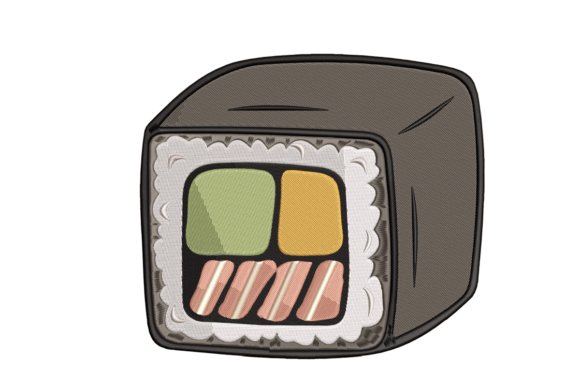
The initial mood this Sushi embroidery design creates is playful and welcoming. It’s not a hyper-realistic illustration; it’s a stylized, friendly character that feels instantly approachable. The layout and detail level suggest it’s built for clarity—the shapes are likely defined with clean satin stitch borders and fill stitch areas that won’t get lost on fabric. This visual personality isn’t for a formal dining logo; it belongs on items meant to spark a smile.
I’m already thinking it would be perfect for a custom embroidered apron for a sushi-loving home cook, or as a charming accent on a kitchen towel. It feels like a design that elevates everyday home decor or apparel into something personal and special.
Real-World Stitching: Where This Design Thrives
Let’s walk through a scenario. A client requests a personalized gift for a friend who adores sushi. You decide to stitch this onto a high-quality cotton tote bag. This is where the design’s true value gets tested. The “fun and easy to stitch” description in the product info hints at a manageable stitch density and clear color separation, which is exactly what you want for a sturdy bag fabric. It should stitch out cleanly without requiring excessive stabilizer, resulting in a professional-looking finished product.
Beyond tote bags, consider sweatshirt embroidery. Placed on a chest or sleeve, this Sushi design becomes a statement piece of custom apparel. Its foodie theme has broad appeal, making it a strong candidate for small shop merchandise or craft fair products. On a baby bib or toddler shirt as baby embroidery, it’s adorable and unique. As an embroidered patch, it could be applied to caps or backpacks, offering versatility for your craft business.
For Etsy sellers and digital product sellers, this file is a solid design asset. It creates a recognizable, niche product that stands out in a marketplace. When creating printable mockups for your listings, this design’s clear form will look compelling even in digital previews, building customer trust in the final handmade presentation.
Points of Caution: Smart Application Matters
No design is universally perfect. The charm of Sushi relies on its details. On very small hoop sizes, some of those finer elements might lose definition, so a test run on scrap fabric is essential. Textured fabrics like some linens or stretchy fabric like jersey require extra attention to stabilizer choice to maintain that clean shape.
I would be cautious with dark fabric backgrounds unless the color palette includes light, contrasting threads. The design’s appeal depends on visual pop. On curved surfaces like caps, the layout needs to be checked—some designs can distort if not properly centered or adjusted for the curvature. For products destined for frequent washing, like pillow covers or bedsheets, ensure your thread choices and stitch integrity are robust enough to maintain that brand consistency over time.
Elevating Your Project’s Value
Using a well-executed design like this directly affects product value and giftability. A crisp, cheerful sushi motif on a tea towel transforms a utilitarian item into a desirable holiday gift or wedding gift. It adds a layer of professionalism to your work. For apparel decorators, it offers a trendy, conversation-starting option that increases buyer engagement. The theme is specific enough to feel personal yet universal enough to attract a wide range of customers.
Practical Notes Before You Hoop the Fabric
My standard process applies here. First, test the design on scrap fabric identical to your final project material. This reveals everything: the true thread color contrast, the behavior of stitch density on your specific fabric texture, and whether any small details need tweaking. Check the actual required hoop size from the file itself—the product description mentions it comes with multiple file formats, so confirm which one suits your machine and project scale.
Run it through black and white mockups to see how it reads as pure shape, and compare it on both light and dark background samples in your software. Always use the proper stabilizer for the job; don’t assume a “fun and easy” design means you can skip this step. Finally, a critical note for creative entrepreneurs: confirm the licensing before selling finished items. The product description does not specify license terms. You must verify if this machine embroidery design is intended for personal use only or if it grants permission for commercial embroidery and selling the finished product. This is a fundamental step for small business owners and Etsy sellers to operate ethically and securely.
In summary, the Sushi embroidery file presents a charming, commercially viable option for a variety of projects. Its strength lies in its thematic appeal and likely straightforward stitch construction. Approach it with a professional’s practicality: test thoroughly, apply it to fabrics and products where its personality shines, and always clarify its commercial use rights. Done right, it can become a staple in your library for creating delightful handmade products and personalized gifts that truly resonate.