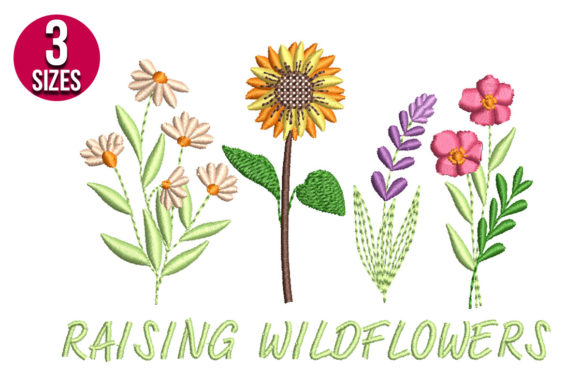
A Designer's Practical Review of the Raising Wildflowers Embroidery Design
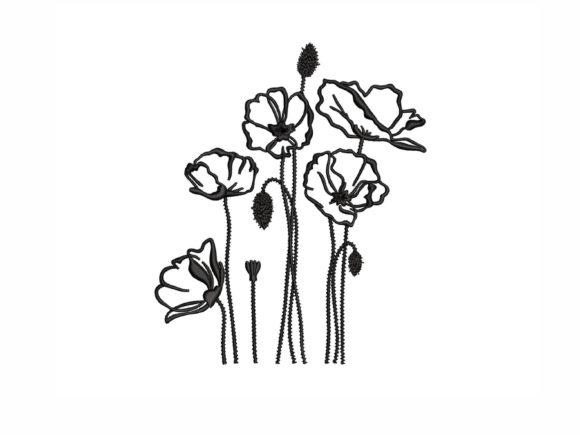
When I first opened the Raising Wildflowers embroidery file, I didn’t just see a collection of flowers—I felt a mood. It’s that genuine, effortless summer feeling you get from a vase of just-picked blooms. This isn’t a rigid, formal bouquet. It’s loose, joyful, and has a friendly, organic layout that immediately suggests a project with a personal touch. As a designer who regularly evaluates files for real client work and my own handmade products, that first impression is crucial. This design speaks to a certain customer: one who values a natural, cheerful aesthetic over something perfectly symmetrical.
The Natural Habitat: Where This Design Thrives
Let’s talk about where this wildflower bouquet naturally belongs. The description mentions tablecloths, pillows, scarves, and tote bags, and I absolutely agree. But from a practical, project-based perspective, I envision it shining on specific items. Picture a custom linen tote bag for a garden-loving friend. Imagine it centered on a cotton apron for a small boutique kitchen brand. It feels perfect for a decorative pillow in a sunroom or a lightweight scarf. The design’s scale and detail level mean it won’t overpower smaller items like a baby’s sunhat or a tea towel, but it also has enough presence to be the star on a sweatshirt or a blanket.
In my own workflow, I’m currently considering it for a series of personalized wedding gifts—perhaps on the corner of a blanket or as a focal point on a keepsake pillow. The Bouquets Bunches category fits perfectly; it’s clearly a gathering of blooms, but the “raising” aspect implies growth and care, adding a subtle layer of meaning that customers appreciate.
Stitching It Into Reality: Performance on Real Products
Moving from the screen to the hoop is where any design proves its worth. For Raising Wildflowers, I’d be thinking about fabric texture right away. This design, with its likely mix of satin stitch for stems and fill stitches for petals, would look stunning on a medium-weight cotton, linen, or a stable canvas for a tote. The organic shapes should translate well, avoiding any overly dense areas that might become stiff on softer fabrics.
For apparel, like a sweatshirt or t-shirt, using a proper stabilizer is non-negotiable to maintain that fresh, summery look after wear and wash. On curved surfaces like caps, the sprawling nature of a wildflower bouquet needs careful placement; you might lose some of the outermost leaves on the seam, but the central cluster should adapt beautifully. One of the smartest things you can do as a crafter or small business owner is to stitch this out on a scrap of your intended fabric first. This lets you check thread color contrast, see how the detail in the smaller flowers holds up, and judge the overall stitch density for your specific project.
A Note on Visual Appeal and Customer Perception
How a finished product looks and feels directly impacts customer trust and your brand’s consistency. A well-executed Raising Wildflowers embroidery project radiates a handmade, thoughtful quality. It doesn’t look generic or mass-produced. This boosts its giftability and makes it a strong candidate for Etsy listings or craft fair products. For creative entrepreneurs, this design can become a part of a recognizable collection—say, a series of nature-inspired items for your shop. The clarity of the stitching, assuming a good quality file, will convey professionalism. Customers engage with pieces that feel authentic, and this design’s personality supports that entirely.
Considerations for a Smooth Embroidery Process
While optimistic, a practical review must also cover where to proceed with care. The design’s likely intricacy means very small hoop sizes might not be ideal, as some delicate details could get lost. I’d avoid highly textured or very thin, stretchy fabrics for a first attempt unless you’re experienced with stabilizer combinations. Embroidering on dark fabric would require a thoughtful thread palette selection to maintain that “fresh and summery” brightness.
Always, before selling any finished item or digital product using this design, confirm the licensing terms. This is critical for commercial embroidery projects and for protecting your craft business. Can you use it for items you sell? Does it allow for personalization? The product description doesn’t specify, so checking is a necessary step.
Final Designer Notes Before You Hoop It
My final thoughts, from the perspective of preparing a real project: Raising Wildflowers is a design that invites creativity. It’s versatile but has a strong character. For a baby item, maybe choose softer pastel threads. For a bold patch, perhaps richer hues. Test it in black and white mockups to gauge its form without color. Compare how it might look on a light versus a dark background—the mood will shift slightly.
Use it to create products that tell a story. A tote bag with this design isn’t just a bag; it’s a statement of a love for simple, natural beauty. A pillow cover becomes a touch of summer in a room. That’s the real value of a strong embroidery design: it elevates the finished product from a mere object to something with feeling. So, pull out your scrap fabric, choose your threads, and see how these wildflowers raise the appeal of your next handmade project.