Kitchen Utensils Embroidery Design: A Designer's Real-World Review
As an embroidery designer who regularly sources files for client projects and my own handmade shop, I approach every new design with a practical eye. I’m looking for assets that will perform on the machine, delight customers, and ultimately justify the time and materials invested. Today, I’m reviewing the Kitchen Utensils embroidery design from Creative Fabrica, considering it specifically for real-world use in kitchen textiles and beyond.
First Impression: Cozy, Detailed, and Full of Character
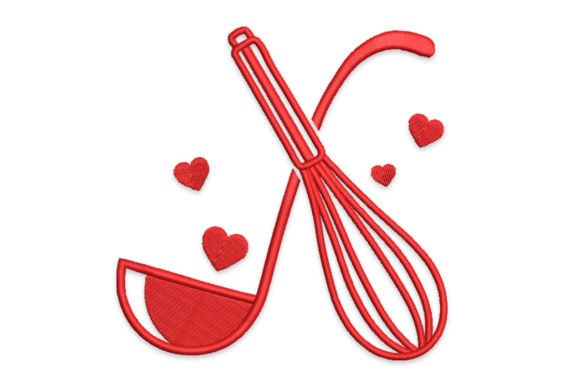
The first thing that strikes you about the Kitchen Utensils design is its charming, illustrative quality. It doesn’t feel like a sterile graphic; it has a warm, almost hand-drawn personality that immediately suggests cozy kitchens and homemade meals. The detail level is pleasing—the utensils have recognizable contours and little details that give them life, like the slight curve of a spatula or the textured grip of a whisk. This isn’t a minimalist outline; it’s a decorative piece meant to be a focal point. Visually, its mood is friendly and approachable, making it a natural fit for items like aprons, decorative kitchen wall hangings, and, of course, dish towels and pot holders as mentioned in the product description.
Where This Design Shines in Real Projects
This embroidery file’s application is broader than just the classic kitchen textiles. Its decorative appeal opens up several project avenues for crafters and small businesses.
For Kitchen & Home Goods
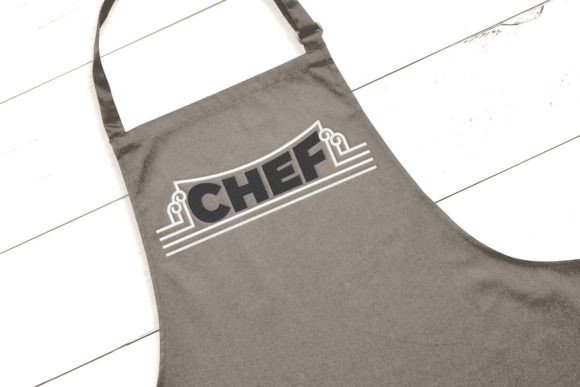
This is the obvious sweet spot. Embroidering this onto a high-quality linen dish towel instantly elevates it from a basic utility item to a thoughtful, giftable kitchen accessory. On a chef’s apron, it adds a touch of personalized professionalism. For pot holders or oven mitts, it creates a cohesive, themed set that sells well at craft fairs. The design’s visual appeal here directly increases the product’s perceived value. A buyer sees it not just as a towel, but as a charming piece of kitchen decor.
For Apparel & Bags
Consider a canvas tote bag for a market-goer or a cotton sweatshirt for someone who loves to cook. The Kitchen Utensils design, scaled appropriately, becomes a great thematic logo. It works well as a centerpiece on a tote or a left-chest design on a sweatshirt. For baby items, like a bib for a little one in a kitchen-loving family, the friendly imagery is perfect. It’s also a strong candidate for a custom embroidered patch, which could be applied to a cap or backpack.
For Seasonal Gifts & Boutique Merchandise
Think beyond the everyday. This design can anchor a “new home” gift basket, embroidered on a pillow cover for a kitchen nook. It enhances nursery decor for a foodie-themed room. For Etsy sellers and boutique owners, it provides a consistent, recognizable design asset that can build brand consistency across a line of kitchen-themed products. In product photography, such a detailed and cheerful design grabs attention and tells a story, improving customer engagement.
Practical Performance and Embroidery Notes
Any design’s beauty must be matched by its performance on the machine. Here are the practical considerations for using the Kitchen Utensils embroidery file in your work.
Stitch Density and Detail Integrity
The charm of the design lies in its details, so preserving them during stitching is key. Before running it on a final product, test it on scrap fabric identical to your project material. Pay close attention to any very small areas or tiny lettering if text is included. Review the stitch density in the fill stitch areas; overly dense stitching on a lightweight kitchen towel might make it stiff. Conversely, on a stretchy fabric like a sweatshirt, adequate density and proper stabilizer are crucial to prevent puckering.
Hoop Size and Fabric Considerations
The overall size of the design will determine the minimum hoop size required. For smaller items like pot holders or caps, you may need to scale the design down. Always confirm the hoop size needed by previewing the file in your software. On dark fabrics, check your thread color contrast carefully—some lighter details in the utensils might need a slightly brighter thread to pop. For curved surfaces like caps, the design’s layout should be evaluated to ensure it sits well on the curvature.
Stabilizer and Longevity
Kitchen textiles and apparel often need frequent washing. A robust stabilizer choice is non-negotiable to ensure the embroidery withstands laundry cycles without distortion. Inspect small details after stitching to ensure they are secure. Good technique here directly affects buyer trust and the longevity of your handmade product.
Increasing Product Value and Buyer Trust
Using a well-executed, high-quality embroidery design like Kitchen Utensils does more than just decorate an item. It communicates care and professionalism. A customer receiving a beautifully embroidered apron can see the attention to detail, which builds trust in your brand as a maker. For gifts, this “giftability” factor is high—it feels personal and specially made. In commercial embroidery, such a clean, appealing design satisfies clients looking for custom branded merchandise for culinary businesses.
Essential Steps Before Selling Finished Items
Your responsibility as a professional extends to the digital product’s licensing. Before selling any items made with this Creative Fabrica embroidery design, you must confirm file details and licensing on the product page. Understand the terms for commercial use. Also, compare light and dark fabric mockups in your software to finalize thread colors. Remember, the design is an asset, but your skill in applying it—choosing the right stabilizer, fabric, and thread—transforms it into a valuable finished product.
Final Thoughts on This Embroidery File
The Kitchen Utensils embroidery design from Creative Fabrica presents a strong, versatile option for anyone creating in the kitchen cooking niche or for thematic apparel. Its visual mood is its greatest asset: warm, detailed, and inherently decorative. For real project use, it demands standard professional precautions—testing, stabilizing, and scaling thoughtfully. When executed well, it elevates simple textiles into charming, sellable goods that can enhance a handmade shop’s offerings, satisfy custom orders, and make truly engaging gifts. It’s a design worth downloading if your project line aligns with its cozy, culinary character and you commit to the embroidery best practices that ensure its details shine.