An Embroidery Border Pattern That Speaks Without Words
When you work with embroidery designs day in and day out, you develop a kind of shorthand for reading them. You don't just see the shapes and colors; you feel their potential. You imagine the thread pulling through the fabric, the finished piece in someone's hands, and the quiet satisfaction—or frustration—of the stitching process itself. So when I look at Ethnic Embroidery Border Pattern, my first impression isn't just about aesthetics. It’s a practical assessment of how this graphic will translate from a digital file into a real, stitched object.
The Visual Personality: More Than Just a Geometric Border
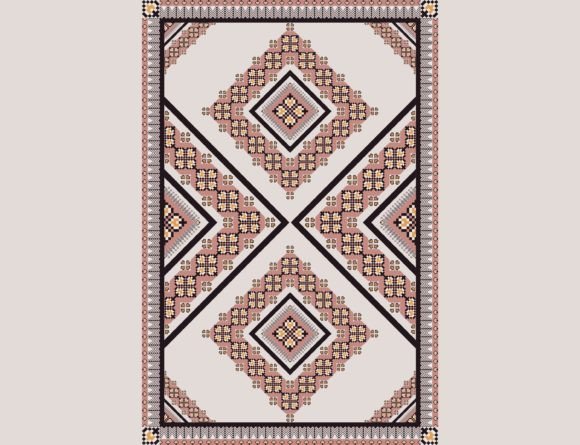
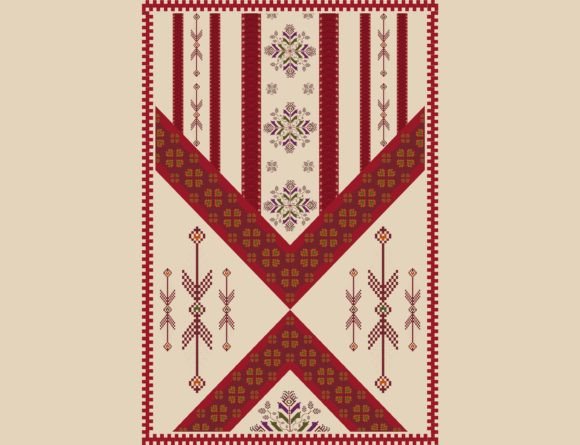
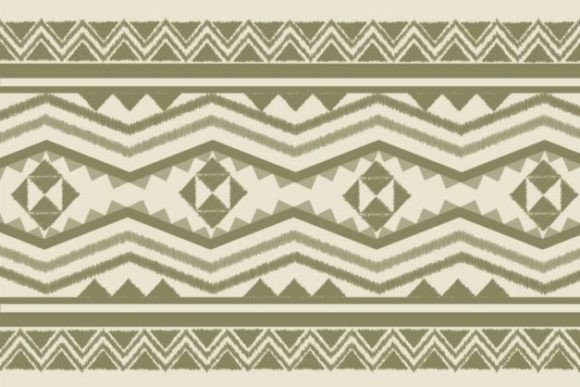
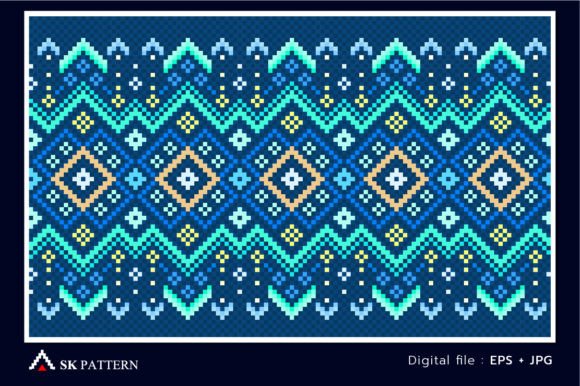
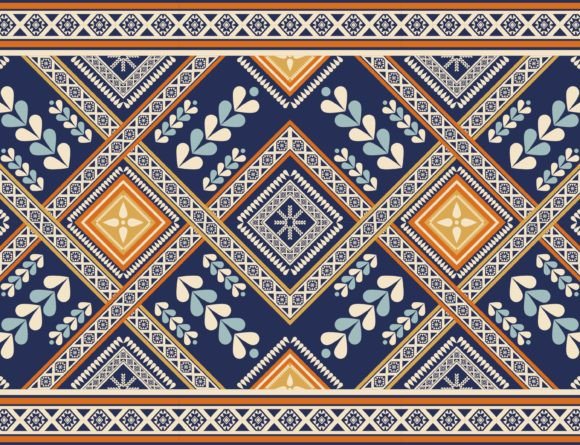
This pattern has a confident, celebratory mood. The overlapping squares and geometric shapes create a rhythm that feels both structured and playful. It doesn't whisper; it announces itself. This is a design with personality, which is exactly what you want when you're creating something meant to stand out—a custom tote bag for a boutique, a statement pillow cover for a home decor line, or a unique apron for a culinary gift box. The "ethnic" theme here isn't vague; it gives the design a recognizable heritage and warmth, making it feel like a piece of a story, not just a decoration.
For crafters and small business owners, that story is crucial. It adds perceived value. A customer looking at an embroidered tea towel with this border isn't just seeing a kitchen accessory; they're seeing a handcrafted item with a specific visual language. That translates directly to giftability and brand consistency. If your Etsy shop or small brand leans toward global, artisan, or bold styles, this pattern can become a cohesive element across your product line.
Where This Pattern Finds Its Natural Home
Let's talk real projects. I'm picturing a specific scenario: a client wants a set of custom embroidered sweatshirts for a cultural event. They need something vibrant, respectful, and unmistakable. A Ethnic Embroidery Border Pattern running along the sleeve or framing a logo on the chest could be perfect. Its seamless nature means it can adapt to a long border on a table runner for a wedding gift or a condensed band on the hem of a baby blanket.
The applications are broad, but they lean toward products where the embroidery is a primary feature, not a tiny accent. Consider:
- Home Decor: Pillow covers, wall hangings, and the edges of tea towels or blankets.
- Apparel & Accessories: As a striking border on the bottom of a t-shirt, across the back of a cap (adjusted for the curve), or along the top of a tote bag.
- Boutique Products: Embroidered patches for jackets, decorative elements on aprons, or personalized details on luxury gift items.
- Digital Use: As a textured background in printable mockups for your other products, adding depth to your listings and branding.
The colorful, geometric nature makes it especially suited for products targeting an audience that appreciates handmade, global-inspired design. In a craft fair setting, items featuring this kind of work often attract engaged buyers who see the craftsmanship.
The Practical Stitching Considerations
This is where an experienced designer's perspective shifts from "would it look nice" to "how will it stitch?" The detail level in a graphics file like this is promising, but the real test is in the embroidery machine. The overlapping squares and intricate lines suggest a mix of satin stitches for borders and fill stitches for the colored geometric shapes. That means stitch density will be key.
On thinner fabrics like standard t-shirt material, a very dense fill stitch could cause puckering or make the fabric stiff. For a baby item or lightweight apparel, you'd need to be meticulous with your stabilizer choice and possibly even tweak the file (if the license permits) to reduce density. Conversely, on a sturdy tote bag or pillow cover, the density will contribute to a luxurious, substantial feel.
Areas for careful use:
- Small Hoop Sizes: If you try to cram the entire, detailed pattern into a very small hoop, the clarity of the overlapping shapes might get lost. It's best suited for areas where it can be displayed with some width.
- Dark Fabrics: The colorful palette needs to be translated into thread colors with strong contrast against darker backgrounds. A test run on scrap fabric is non-negotiable here.
- Curved Surfaces: Applying a linear border pattern to a curved cap brim requires skillful placement and possibly some digitizing adjustments to maintain the visual integrity.
- Textured Fabrics: On heavily textured materials, the clean geometric lines might not pop as clearly.
A Designer's On-the-Hoop Notes
Before committing this to a client project or a batch of products for your shop, here's my practical checklist:
- Test on Scrap First. Use the same fabric and stabilizer you plan for the final product. Look for puckering, thread coverage, and color clarity.
- Check the Small Details. Zoom in on the design file. Are there tiny corners or intersections that might become blurry or tangled when stitched?
- Compare Light & Dark Backgrounds. Stitch a sample on white and on black fabric. Does the color scheme hold its mood on both?
- Consider the Final Product's Life. If it's a kitchen towel or baby item that will need frequent washing, ensure the stitch structure is robust enough.
- Confirm the Licensing. This is critical. As a digital embroidery file, its license dictates whether you can use it for personal projects, commercial embroidery for clients, or selling finished products in your small shop. Never assume.
The Final Impression: A Design That Carries Its Weight
After this kind of review, Ethnic Embroidery Border Pattern emerges as a design with strong character and broad, but specific, application. It’s not a generic filler. It brings a mood and a statement. For the creative entrepreneur, that’s a valuable design asset. It can elevate a simple product into a conversation piece.
The ultimate goal in using any machine embroidery design is to end up with a finished product that looks professional, feels high-quality, and resonates with the recipient or customer. This pattern, with its colorful and structured geometric voice, has the ingredients to achieve that. It asks for a bit of thoughtful testing and placement, but rewards you with a distinctive, handmade presentation. In a market where buyers are seeking authenticity and artistry, that’s a solid foundation for trust and engagement.
So, if your next project calls for a border that isn't shy—whether it's framing a personalized gift or defining your latest batch of craft business merchandise—this pattern deserves a close, practical look. Imagine it stitched. Then, as we always do, test it and see.