A Designer's Take on the Tribal Embroidery Pattern
As an embroidery designer working with boutique apparel brands, I constantly sift through digital libraries for motifs that translate beautifully onto fabric. When I saw Ethnic Tribal Embroidery African Pattern listed among the Creative Fabrica embroidery offerings in the Graphics category, it immediately caught my eye for its potential in my upcoming sweatshirt collection. This review stems from that professional curiosity, evaluating its fit for projects aimed at discerning handmade markets.
First Impression: Bold Graphic Energy for Garments
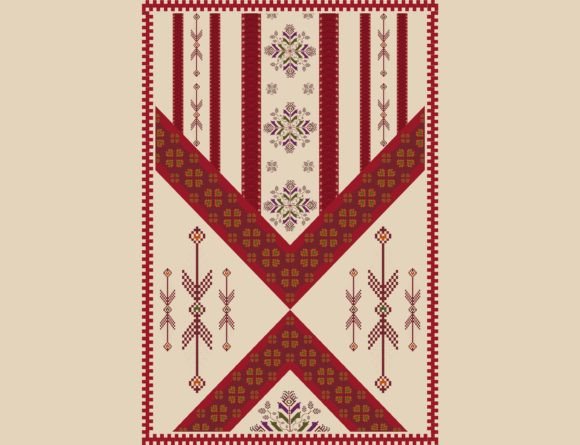
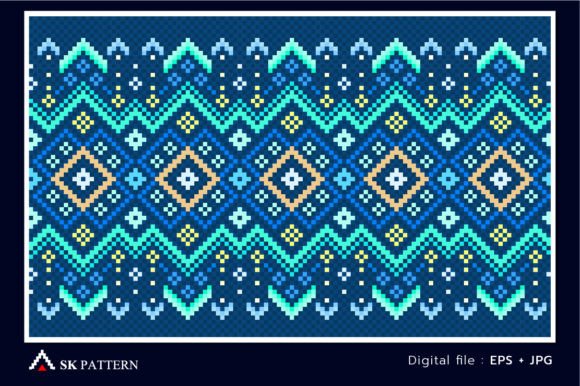
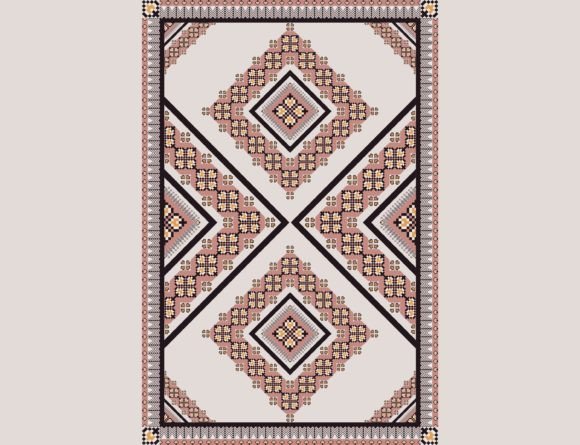
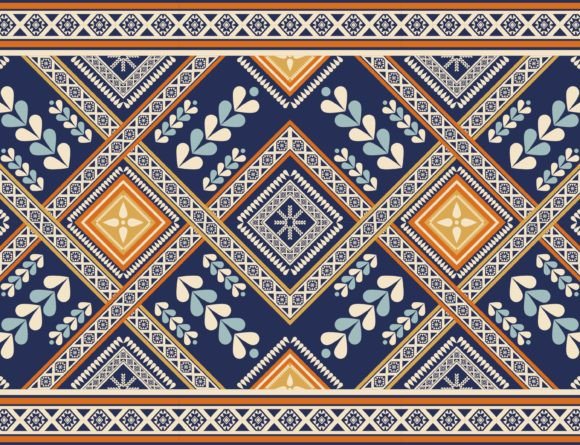
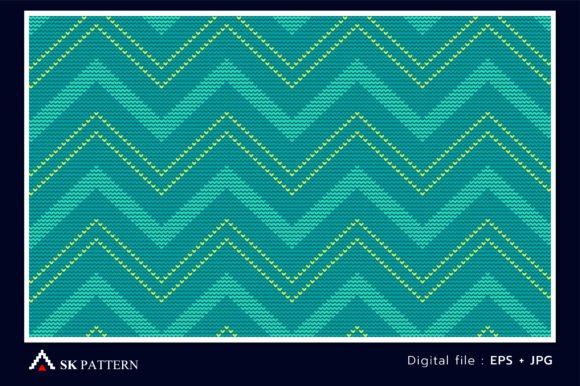
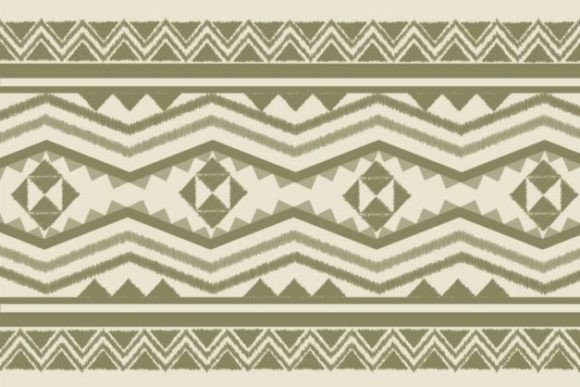
The pattern presents a strong, contemporary design with a distinct tribal abstract feel. The combination of zigzag strips, abstract triangles, and what the description calls a "water color, doodle" aesthetic creates a dynamic, repeatable graphic. Its visual personality is unapologetically bold and graphic, leaning more towards a statement piece than a subtle accent. For apparel decorators, this means it carries significant decorative strength. It feels neither overly feminine nor rustic, but sits in a trendy, artistic space that could appeal to a broad audience seeking unique, culturally-inspired motifs.
Perfect Applications for Sweatshirts and Hoodies
Thinking about my core product—boutique sweatshirts and hoodies—this pattern sparks several immediate ideas. On a neutral, cream-colored sweatshirt, the design would pop beautifully as a central chest embroidery. Its seamless repeat pattern nature also makes it ideal for larger placements, like a striking back design on an oversized hoodie, creating a high-impact garment. For a more delicate approach, using a single repeat unit as a sleeve accent on a pastel hoodie could add that perfect touch of curated detail.
The abstract, geometric forms within Ethnic Tribal Embroidery African Pattern suggest it would stitch out with clean, defined lines. On dense fabrics like fleece or french terry, which are staples for cozy seasonal outfits, such a design can anchor the garment's look without getting lost in the texture. For dark apparel—think heather grey or black sweats—choosing thread colors with high contrast (like bright whites, corals, or golds) would make this pattern truly stand out, elevating a basic hoodie into a premium-looking piece.
Beyond Sweatshirts: Expanding Your Product Line
The utility of a strong graphic pattern like this extends well beyond knit apparel. For small clothing brands and Etsy sellers looking to build visual consistency across a range, it's a versatile asset. Imagine it scaled appropriately on the pocket of a denim jacket for a modern, custom apparel touch. It would be equally compelling as a focal point on a canvas tote bag, transforming it into a lifestyle product.
From a commercial perspective, such a distinctive motif aids in product recognition. If you incorporate it across your sweatshirts, tees, and accessories, it begins to build a cohesive brand identity. In Etsy listings and social media graphics, products featuring this pattern would have a memorable, professional presentation that can enhance buyer trust and customer engagement.
Practical Considerations for Embroidery Success
While the pattern's aesthetic is promising, a professional approach requires some practical checks. The description mentions a "repeat pattern mood color," but as a responsible embroidery designer, I would need to confirm the specific embroidery file details before production. This includes critical information like stitch count, recommended hoop size, and included file formats for machine embroidery design compatibility.
For projects using this digital embroidery file, here are my standard preparatory notes:
- Always test on scrap fabric identical to your final garment fabric, especially stretchy or ribbed fabrics.
- Evaluate stitch density in dense areas of the design to ensure it won't distort or puncture lighter fabrics like t-shirts.
- Choose your stabilizer wisely based on the fabric texture; a sturdy cutaway might be best for sweatshirt fleece.
- Review thread color contrast plans against your garment color—this pattern's impact relies on clear definition.
- Compare placement options digitally first, perhaps using a printable mockup, to visualize scale on the garment.
- Finally, always check the Creative Fabrica product details and licensing to ensure your use for commercial embroidery and selling finished product is fully covered.
Where to Exercise a Bit of Caution
Given its likely graphic nature, Ethnic Tribal Embroidery African Pattern might require careful placement in certain scenarios. On very small chest placements, if the design is intricate, some details could become lost. Embroidering on highly curved surfaces (like tightly curved sleeve seams) could present challenges for the clean lines of the zigzag and triangles. Also, if the design contains any very fine lines or tiny elements, they might need adjustment for stability on fabrics that stretch or wrinkle easily.
Final Thoughts for Creative Entrepreneurs
For embroidery shops, crafters, and digital sellers building a handmade product line, this pattern offers a potent graphic tool. It can directly affect apparel value, turning a simple sweatshirt into a conversation piece. Its contemporary, tribal abstract vibe aligns with current trends while offering uniqueness. The key, as always, lies in pairing the inspiring digital asset with thorough, professional embroidery practice. By testing, planning thread colors, and respecting the technical requirements of your machine and fabric, Ethnic Tribal Embroidery African Pattern could become a signature element in your boutique's collection, helping your small shop products stand out in a crowded, creative market.