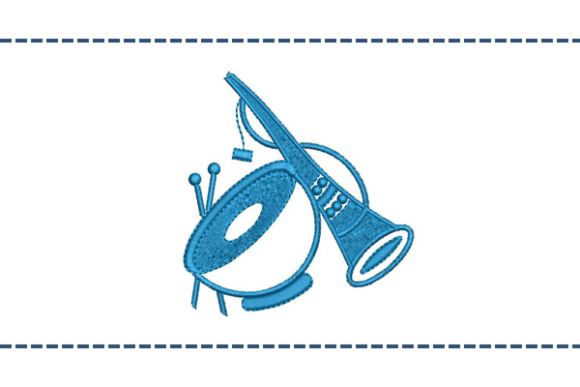
Reviewing Traditional Music Instruments for Business Merchandise
First Impressions: Cozy Artistic Branding
When evaluating an embroidery file for business use, the first impression is critical. Traditional Music Instruments immediately presents a warm, artistic, and decorative character. The description suggests a cozy and artistic feel, which translates visually into a design that is likely intricate, classic, and inviting. For a small business, this aesthetic can be a powerful tool. It doesn’t scream corporate; it whispers craftsmanship. This makes it an excellent candidate for brands wanting to project a handmade, premium, or creative identity, whether you're a boutique, a café with live music, a creative studio, or a local artisan.
Business Applications Beyond Decoration
The true test of a machine embroidery design is its versatility across real-world merchandise. Traditional Music Instruments isn't just for pillows and bedsheets. Its thematic nature opens doors for targeted commercial embroidery projects.
- Branded Patches: This design could become a fantastic embroidered patch for product labels, especially for businesses tied to music, culture, or artistry. Imagine a small, elegant patch on the packaging of a handmade instrument case or a specialty coffee blend inspired by jazz.
- Staff Uniforms & Aprons: As a chest logo accent or sleeve detail on staff uniforms, it adds a distinctive, professional touch without being overly bold. For a bakery or café with a musical name or theme, embroidered on an apron, it instantly elevates the brand identity.
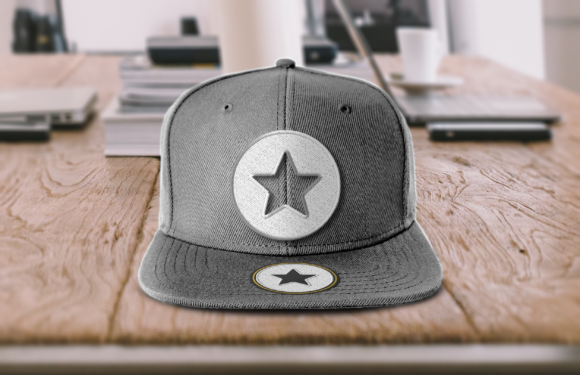
- Cap Embroidery & Tote Bag Design: On the curved front of a cap, its detailed nature would need careful sizing, but it could be a unique marker for event volunteers or a retail team. As a central mark on a tote bag, it becomes a stylish piece of small business merch customers would carry proudly.
- Customer Gifts & Event Merch: This design is perfect for creating limited-run merchandise for workshops, openings, or loyalty gifts. Embroidered on a high-quality work shirt or a premium hoodie, it reinforces customer engagement and visual consistency.
Where to Exercise Caution in Application
Even the most beautiful digital embroidery file has practical limits. For business use, where every item represents your brand, you must apply it carefully.
- Small Patch Sizes: If the design is highly detailed, shrinking it for a tiny product label or a cap front might lose definition. Always test it at the intended small patch size first.
- High Stitch Density & Detailed Outlines: A cozy, artistic feel often comes with texture and detail, which can mean higher stitch counts. On lightweight fabric texture like polos or thin tote bags, proper stabilizer is non-negotiable to prevent puckering.
- Dark Uniforms & Color Contrast: If your business uses dark work shirts or uniforms, you must review thread color choices. A design with light, intricate elements may need a bold underlay or adjusted palette for visibility.
- Items Requiring Frequent Washing: For aprons or staff shirts that undergo regular laundering, a densely embroidered area needs robust stitching. Test the finished product on a real fabric sample and wash it repeatedly to check durability.
Impact on Brand Identity and Customer Perception
Using Traditional Music Instruments on your merchandise goes beyond decoration; it communicates values. It suggests a brand that values tradition, artistry, and a personal touch. This directly affects customer trust and professionalism. A well-executed embroidered patch on a tote bag doesn't just look good; it makes the product feel more valuable, supporting a higher price point for your handmade product. For an Etsy seller or craft business, it provides a cohesive design asset that can be used across product lines, from apparel to home decor, strengthening overall brand recognition.
Practical Designer Notes for Commercial Success
Before running this file for a client order or your own product line, follow these steps as a professional embroidery designer.
- Test in Black and White First: Stitch out a sample using a single, contrasting color. This reveals the true structure of the design, exposing any potential issues with spacing or tiny elements that might vanish.
- Confirm Hoop Size and Stabilizer: The description notes it comes with multiple embroidery files, which often includes different sizes. Match the file size to your physical hoop size and project. Always use the correct stabilizer for your chosen fabric—don’t skip this for custom apparel.
- Create a Printable Mockup for Client Approval: If you’re producing for another business, generate a mockup showing the design on a cap, apron, or tote bag. This visual proof prevents misunderstandings and ensures the design meets their brand needs.
- Compare Beside Other Brand Assets: Place the embroidered sample beside your business’s other logos or graphics. Does Traditional Music Instruments harmonize with your existing visual identity? Consistency is key.
- Confirm Licensing for Commercial Embroidery: The product description doesn’t specify license terms. Before using it for any business merchandise, you must confirm that the machine embroidery design is licensed for commercial use. This is a critical, often overlooked step.
Final Thoughts for Merch Creators
Traditional Music Instruments offers a specific, aesthetic charm that can be powerfully leveraged for niche branding and premium merchandise. Its success hinges on thoughtful application—respecting its detail, testing its limits, and aligning it with a brand story that values artistry and tradition. By treating it as a serious design asset and not just a decorative file, you can create embroidered products that enhance your brand’s value, engage your customers, and stand out in a crowded market. Always start with a test stitch, and let the practical results guide your commercial project.