Rainbow: A Bright Design for Branded Merchandise
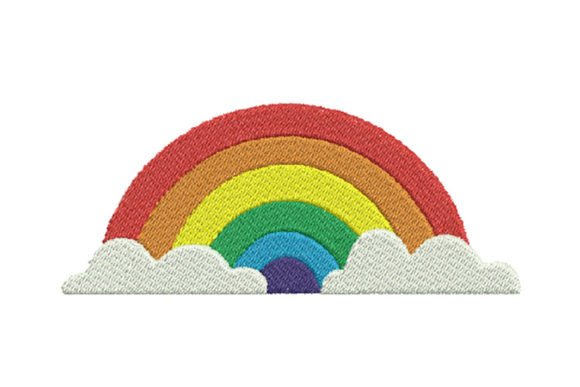
When I first open the Rainbow embroidery file, my designer instinct is to look past its nursery category description. While it’s described as a dazzling rainbow for pillows and onesies, my business-focused eye immediately sees its potential for branded merchandise. This design isn't just decorative; it’s a vibrant asset waiting to be applied to small business products.
A Visual Personality That Builds Brand Connection
The Rainbow design makes a strong first impression. It feels inherently playful, friendly, and optimistic. These are powerful emotional triggers for a brand. For a small business—whether it’s a café, a boutique florist, a creative studio, or a handmade pet brand—this visual personality can directly influence customer perception. A rainbow evokes positivity, creativity, and a touch of whimsy. When embroidered onto a staff apron or a tote bag, it doesn't just look nice; it communicates a brand's ethos. It feels handmade and approachable, which builds instant trust and engagement with customers looking for a personal connection.
Real-World Business Applications Beyond Nursery Decor
The product description hints at versatility, and from a commercial embroidery standpoint, that’s key. Let’s evaluate Rainbow’s performance across common small business merchandise needs.
Embroidered Patches for Product Labels & Uniforms
Rainbow could be excellent as a standalone embroidered patch. Patches are versatile: sew them onto product packaging as a premium accent, attach them to denim jackets as boutique merchandise, or use them on staff uniforms as a sleeve detail. For a small bakery, a Rainbow patch on a canvas tote bag becomes a recognizable brand mark. For a local café, a small Rainbow patch on the chest of a work shirt adds a friendly accent without overwhelming the uniform. The design’s likely bright thread colors would make it pop on darker fabrics, enhancing visibility.
Caps, Aprons, and Tote Bags as Walking Billboards
Imagine this design on a cap embroidery or an apron embroidery. For a business, these items are worn by staff or sold as customer gifts, functioning as walking advertisements. Rainbow’s cheerful nature makes it ideal for service-oriented businesses wanting to appear warm and welcoming. On the curved front of a cap, its arching shape could fit naturally. On an apron, centered above the pocket, it would become a signature detail for a handmade shop or florist. As a tote bag design, it transforms a simple carrier into branded merchandise, increasing the product's perceived value.
Branding for Handmade & Etsy Businesses
For Etsy sellers and craft business owners, Rainbow could serve as a consistent brand identity element across different products. Stitched onto the corner of tea towels, the flap of a small pouch, or the front of a baby onesie (as suggested), it creates visual consistency across your product line. This repetition builds recognition. Using the same embroidery file for your own staff aprons and your customer-facing products strengthens your handmade product presentation, showing a cohesive and professional attention to detail.
Practical Considerations for Professional Use
While the design feels fun and easy, successful commercial embroidery requires careful planning. Here are my professional notes for using Rainbow in a business context.
Testing and Adaptation Are Essential
Before running any production, test this embroidery file on real fabric. Create a printable mockup for client approval if you’re decorating for another business. Crucially, test Rainbow at a small patch size to see if details remain clear. Sometimes, designs with multiple elements can lose definition when miniaturized for a cap front or a small product label. Check the stitch density on your test piece; high density on lightweight fabrics like those used for onesies might require different stabilizer than for a heavyweight tote bag or apron.
Thread Color & Fabric Texture Impact
The description calls it "bright," so thread color contrast is vital. If applying Rainbow to a dark uniform or bag, ensure the chosen thread palette has enough luminosity to stand out. Also, consider fabric texture. A design like this might look different on a smooth cotton twill versus a textured linen. Always run a sample on the actual material you’ll use for the finished product.
Where to Use Rainbow Carefully
Some applications require extra attention. On curved surfaces like caps, the design's shape must be compatible with the hoop geometry. If the design has very detailed outlines or tiny lettering (not mentioned but possible in some rainbow designs), it might not survive frequent washing on work shirts without some stitch adjustments. Always confirm commercial licensing for the digital embroidery file before using it for business merchandise, even if you’re the designer. Finally, compare Rainbow beside your other design assets to ensure it fits your overall brand aesthetic and doesn’t clash with existing logos.
Elevating Brand Value Through Strategic Embroidery
Ultimately, Rainbow is more than a nursery design. Its application to small business merch and custom apparel can significantly impact your brand. A well-executed embroidered patch on a uniform signals professionalism and care. A consistent tote bag mark builds customer loyalty and turns a utility item into a sought-after accessory. Using a single, cheerful design across your merchandise—from event merch to staff uniforms—creates a powerful, unified visual language that customers remember.
My final advice is to embrace Rainbow’s playful energy but treat its execution with professional rigor. Test it, adapt it to your specific fabrics and products, and ensure it aligns with your commercial goals. When done right, this bright embroidery can become a shining emblem for your brand, stitching your identity directly into the fabric of your business.