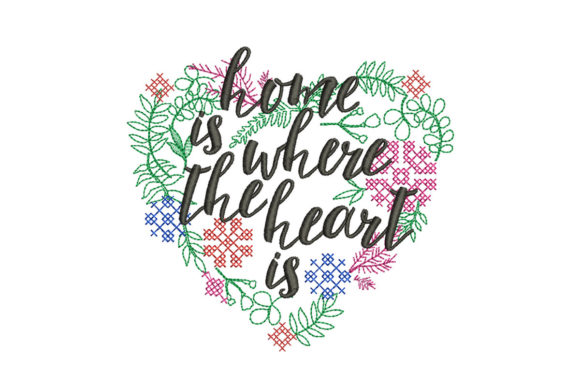
Evaluating "Home is Where the Heart is" for Real Embroidery Projects
When I’m reviewing an embroidery design for my work—whether it’s for a client’s custom apparel or for my own small shop products—the first thing I do is visualize it stitched out. I look beyond the digital preview and imagine it on fabric, in context. With "Home is Where the Heart is," the immediate impression is one of warmth and belonging. It’s not just a quote; the typography and layout feel hand-drawn, friendly, and inviting. This isn’t a stark, formal statement. It has a soft, almost cursive flow that suggests comfort. That visual personality tells me it belongs on items meant to feel personal and cherished.
The Natural Habitat for This Design
This embroidery design naturally gravitates towards projects where sentiment is the primary product. Think of a custom embroidered pillow cover for a housewarming gift, or a cozy sweatshirt for a family photo. I recently considered it for a set of personalized kitchen towels for a boutique client—the phrase perfectly complemented the rustic, handmade aesthetic they wanted. It also shines on items like tote bags and aprons, where the message reinforces the function of the object: a bag for carrying your treasures home, an apron used in making a family meal. For baby items or nursery decor, paired with the right fabric, it becomes a gentle, loving accent.
Its versatility from the description—t-shirts, bags, pillows—is accurate, but the key for a professional is understanding the best fits. On a decorative pillow, the design can be a central, impactful feature. On a t-shirt, it becomes a more subtle, personal declaration. For an Etsy seller or apparel decorator, this flexibility means you can create multiple product lines from one solid embroidery file.
Where "Home is Where the Heart is" Performs Brilliantly
In real-life embroidery situations, this design’s success hinges on its clarity and moderate detail level. On mid-weight fabrics like cotton tote bags or quilted pillow covers, the stitches will hold crisp definition. For holiday gifts like embroidered blankets or tea towels, it offers that timeless, giftable quality buyers seek—it feels thoughtfully chosen, not generic. When I stitch it on a dark fabric sweatshirt for a craft fair product, using good thread color contrast, the message pops with a clean, professional finish that builds customer trust. It’s also excellent for printable mockups and digital product previews; the design is recognizable and appealing even in a flat image, which is crucial for online listings.
For commercial embroidery projects, such as a small batch of caps for a local business, the design’s layout is generally balanced enough to adapt to a curved surface, provided the lettering isn’t too tiny. Its visual appeal directly enhances the perceived value of a finished product. A handmade presentation feels more cohesive and intentional when the design itself carries this handmade personality.
Caution Zones and Considerations
Every design has areas where it requires careful handling. For "Home is Where the Heart is," the primary considerations involve scale and fabric. On very small hoop sizes, the elegance of the lettering could suffer if the details become too dense. Stitching it onto thin or stretchy fabric, like a lightweight t-shirt, demands a meticulous stabilizer choice to prevent puckering or distortion, especially in any satin stitch or fill stitch areas the design might use.
Textured fabrics, like a thick sweater, can obscure the clarity of the phrase. Similarly, on layered garments with complex seams, placement is critical—you want it on a flat, stable area. The design’s charm is in its readable sentiment, so preserving that stitching clarity is paramount. For products destined for frequent washing, such as baby clothes or bed sheets, testing the stitch density and durability on scrap fabric first is non-negotiable. A too-dense design might wear differently.
The Professional's Practical Checklist
Before I commit this design to a real project, my process involves a few key steps. First, I always stitch it out on a scrap of the target fabric. This tells me everything about thread color contrast, how the details translate, and whether my stabilizer is correct. I examine any small details in the lettering or accents to ensure they’ll survive the hoop and the stitch process.
I also test the design in both black and white mockups to see how it feels on light and dark backgrounds. This isn’t just about aesthetics; it helps plan thread palettes for future projects. Crucially, I confirm the licensing terms of the embroidery file. If I’m selling finished tote bags or offering custom embroidery services using this design, I need to know it’s cleared for commercial use. That’s a fundamental step for any craft business or digital product seller.
Finally, I think about the end-user. How will a customer react to this phrase on a product? "Home is Where the Heart is" has universal recognition and positive emotion. It elevates a simple item into a meaningful object. For a creative entrepreneur, that emotional connection is a powerful driver of buyer engagement and brand consistency. It’s a design that feels both professional and profoundly human.
Final Judgment for Makers and Decorators
"Home is Where the Heart is" is a reliable, sentiment-driven embroidery design asset. It’s not a niche or trendy piece; it’s a classic. Its value lies in its emotional resonance and its adaptability across a range of products—from personalized gifts to small shop merchandise. For the hobbyist making a special baby item, or the apparel decorator running a batch of embroidered patches, it provides a strong, clear result that looks cared-for and intentional.
The takeaway for any maker is this: it’s a design that does its job well. It stitches up cleanly on appropriate fabrics, it communicates its message with warmth, and it fits into the real-world workflows of custom apparel and handmade products. Just remember the practical embroidery designer notes: test it, respect the fabric, and always know your license. With that approach, this design from the House Home Quotes category becomes a trustworthy tool in your embroidery project toolkit.